Dry eyes can be irritating, uncomfortable and at times, borderline painful. But throughout the day, your dry eyes are annoying but not painful and yet, at night, the true colors of having dry eyes emerge. (more…)
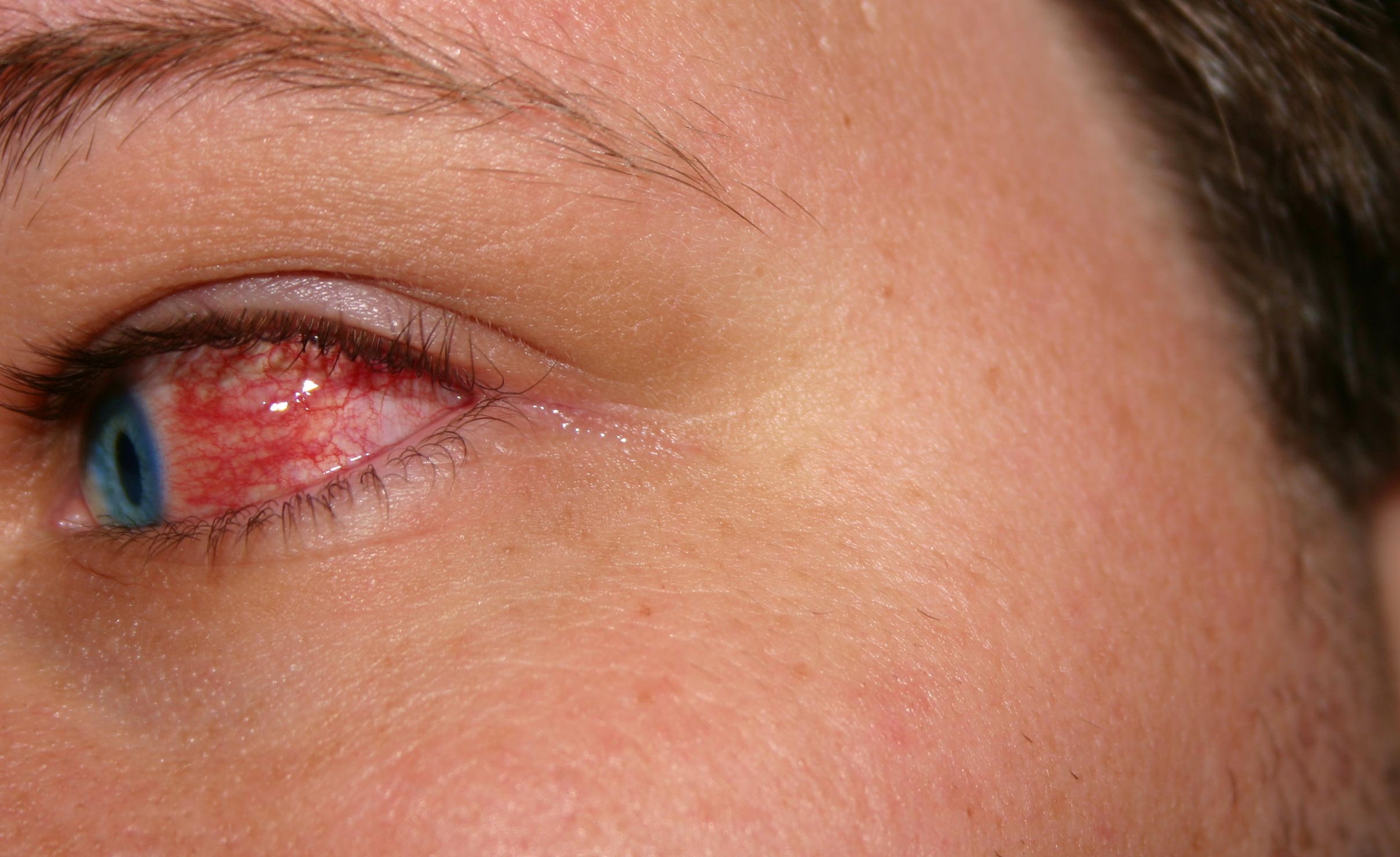

Dry eyes can be irritating, uncomfortable and at times, borderline painful. But throughout the day, your dry eyes are annoying but not painful and yet, at night, the true colors of having dry eyes emerge. (more…)

High myopia is exactly like what it sounds like, a high degree of nearsightedness or short-sighted. This eye condition is a relatively severe level of short-sightedness that can lead or be associated with significant eye health complications. (more…)

Diabetic Retinopathy is an eye disease caused by diabetes and it includes both Type 1 and Type 2 diabetes. It affects the small blood vessels of the retina at the back of your eye. An early diagnosis and treatment can prevent up to 98% of severe vision loss (more…)
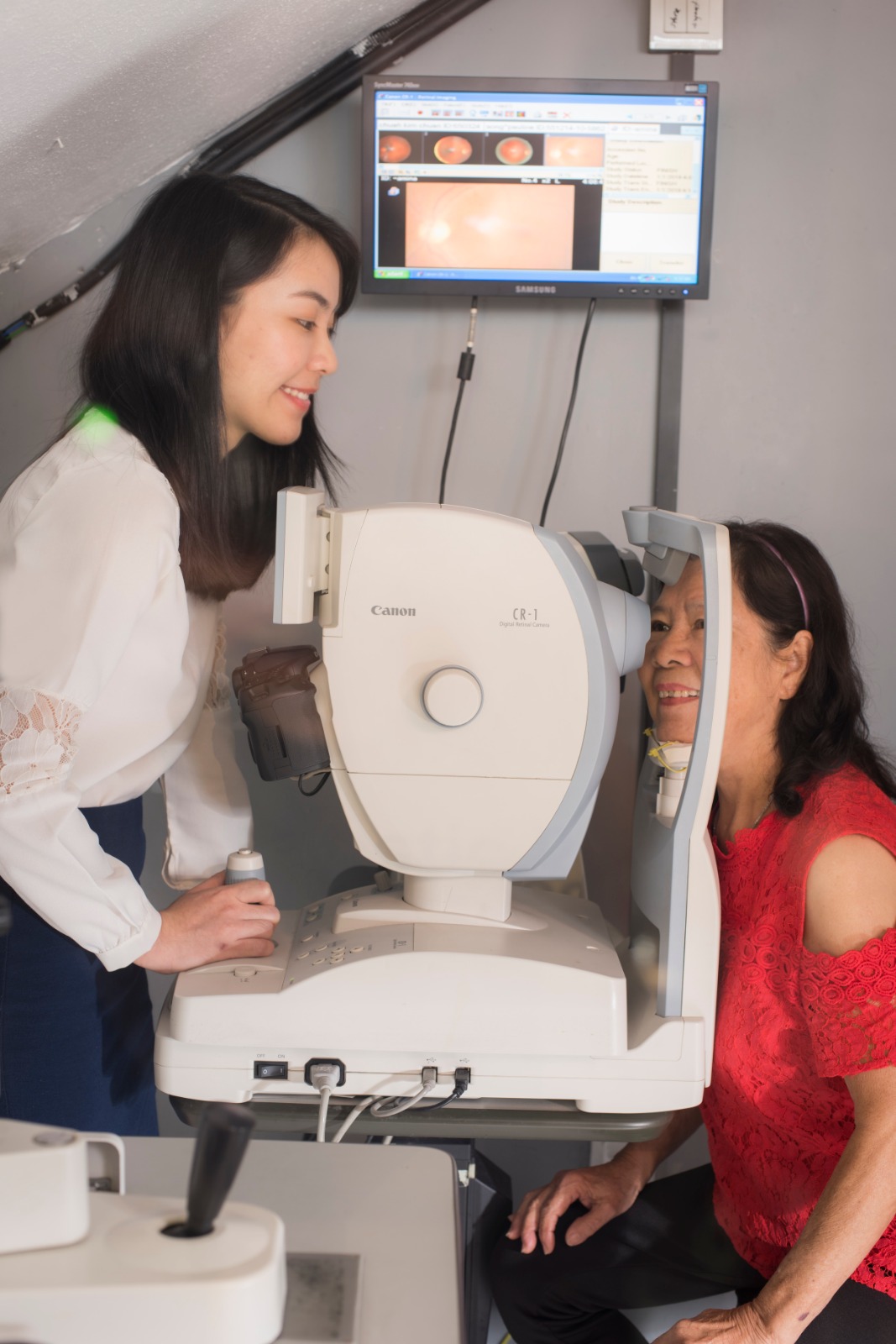
Losing your sight or becoming visually impaired can bring a wave of emotion. One might lose the will to live or give up on life but know that you are supported. (more…)
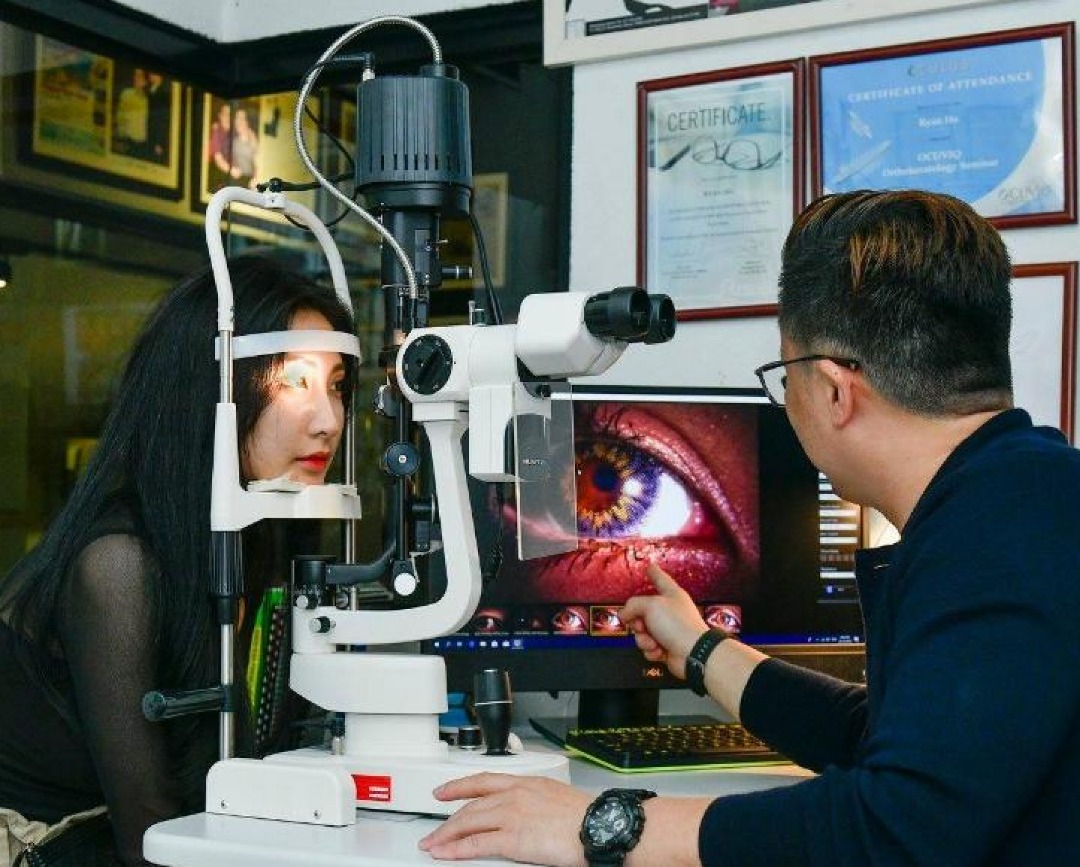
When you have eye problems, who do you SEE to get it checked out? Many would say a doctor or an optometrist but do you know that there are more than one profession qualified to help you? (more…)
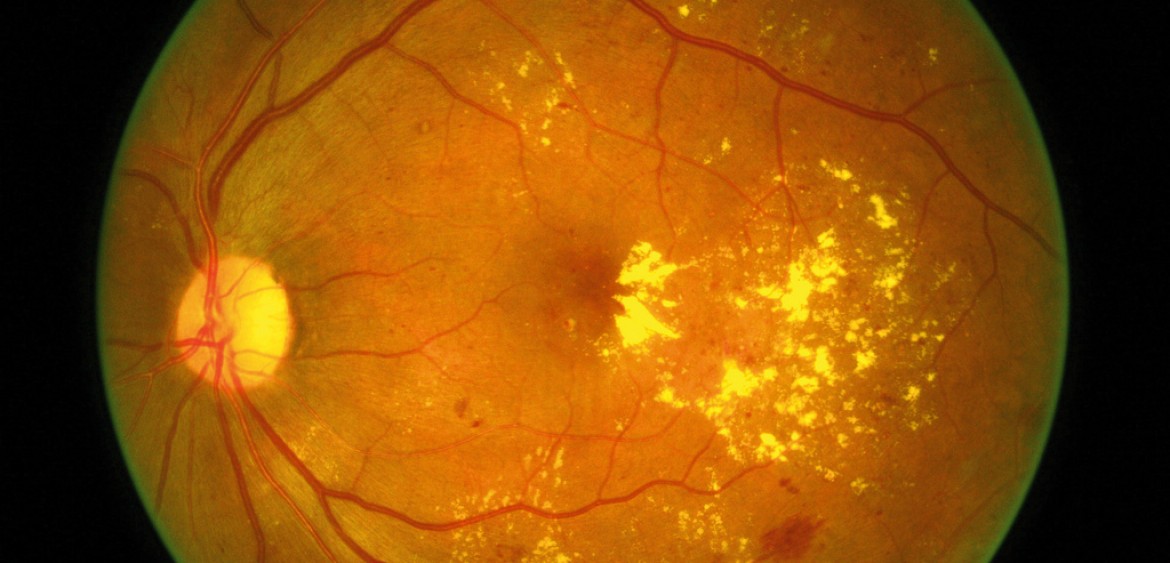
Macular degeneration also been known as the age-related macular degeneration (AMD or ARMD) is an eye pathological condition that affect the macular area causing the cone photoreceptor cells within the macular area to be died off. (more…)
Single vision lenses are prescribed if you need correction for one field of vision, either for distance, intermediate (computer), or (more…)
Malaya Optical together with the participation of optometrists from (more…)

Eso deviation often present as a constant esotropia occurring in infancy or early childhood. Fusional divergence is used to correct for an eso deviation, however our innate divergence amplitude are typically weak. Measuring only 6 – 8 prism diopter. It is likely that our weak divergence amplitude contribute to the poor control of eso deviation. (more…)
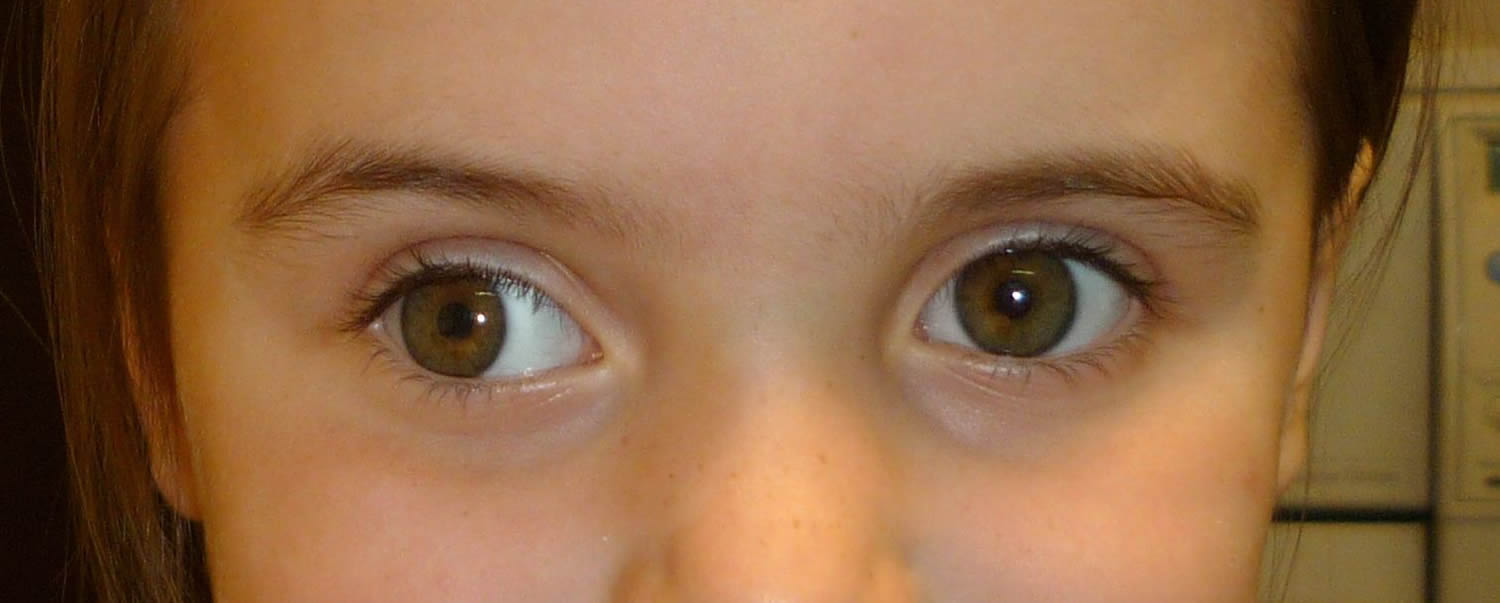
Exo-deviation is an outward deviation which can be divided into exophoria and exotropia. Exodeviation are quite common, and they are not necessarily. A small intermittent exotropia is normal in most newborns, as 70 % of normal newborns have a transient exodeviation that resolves by 2 to 4 months of age. Another type of exo deviation that is considered normal is a small exophoria (<10pd). (more…)